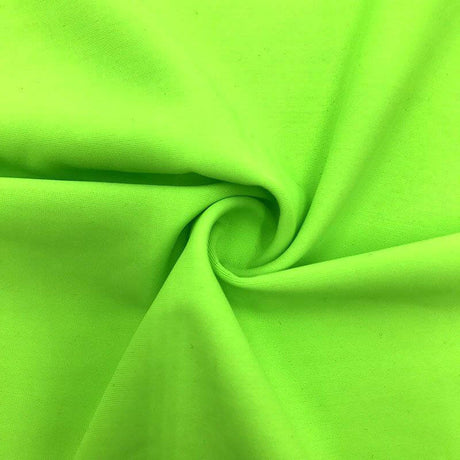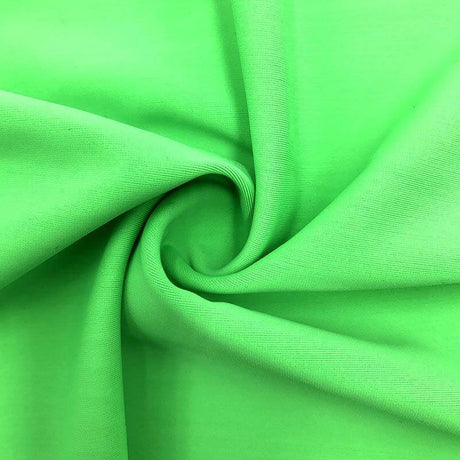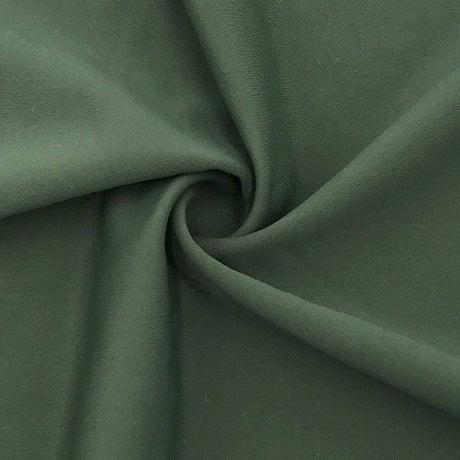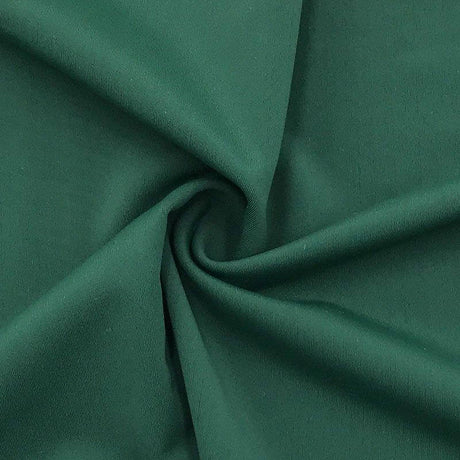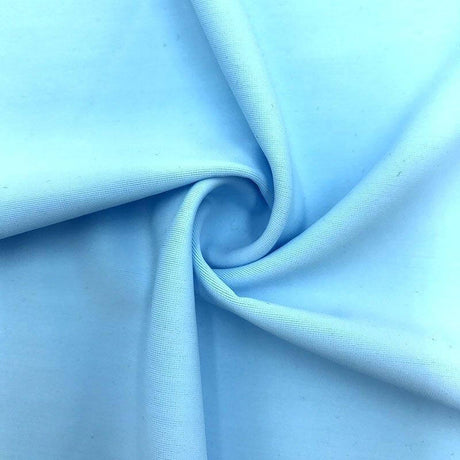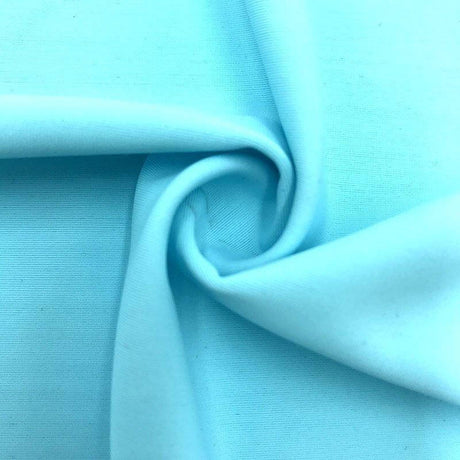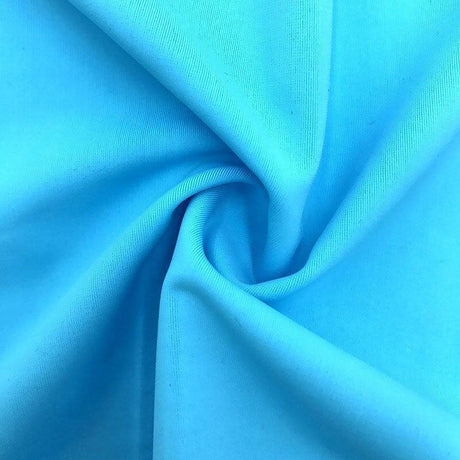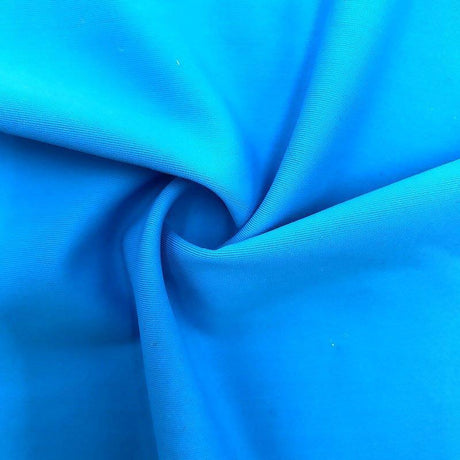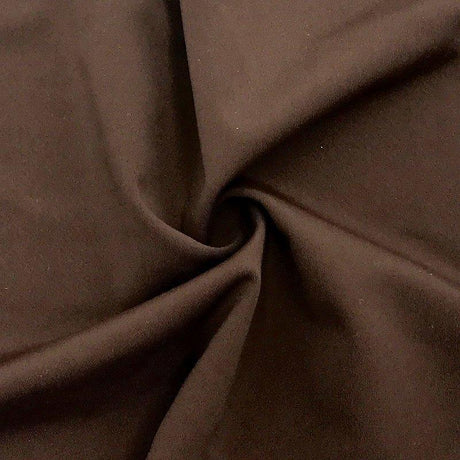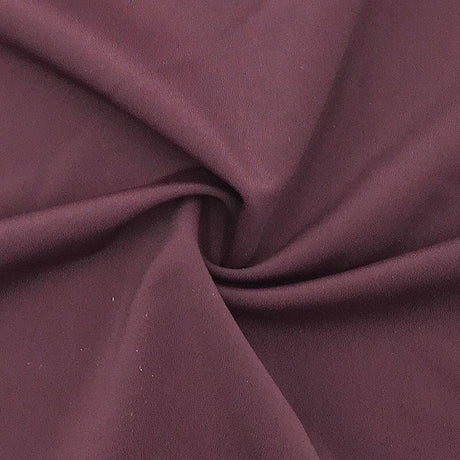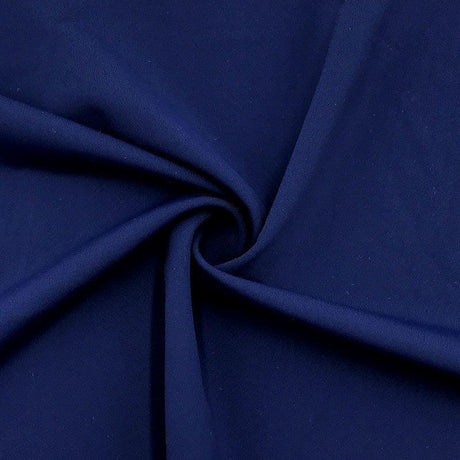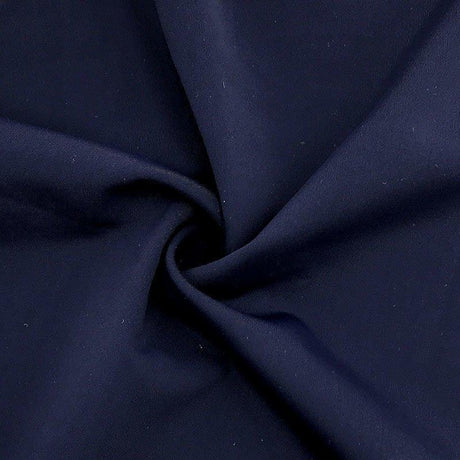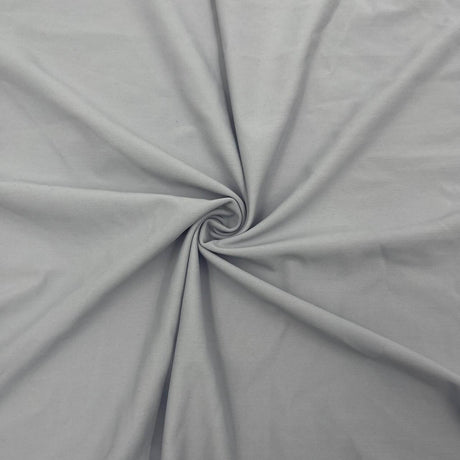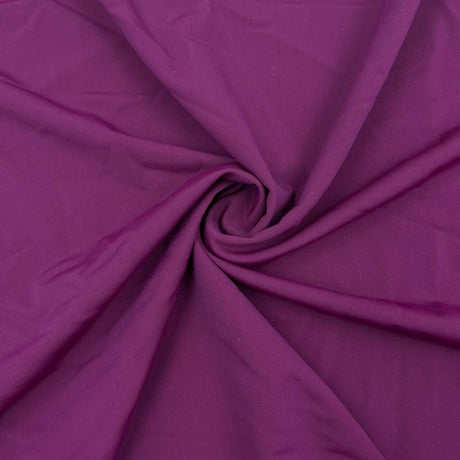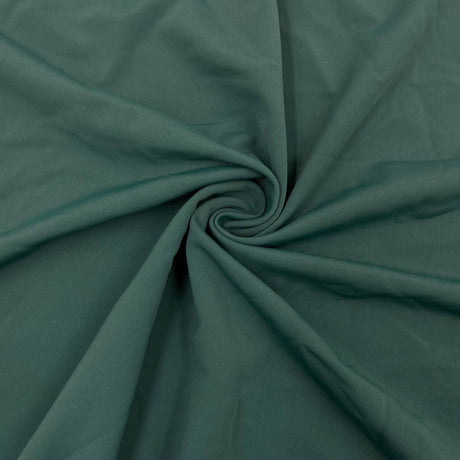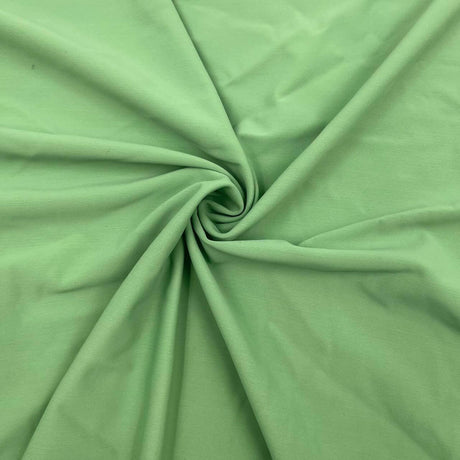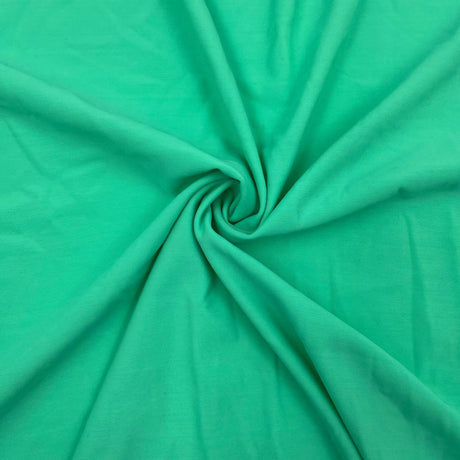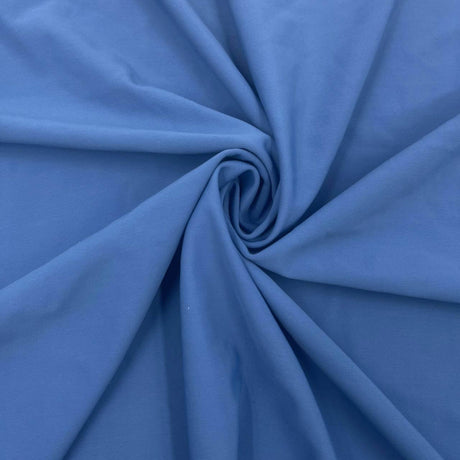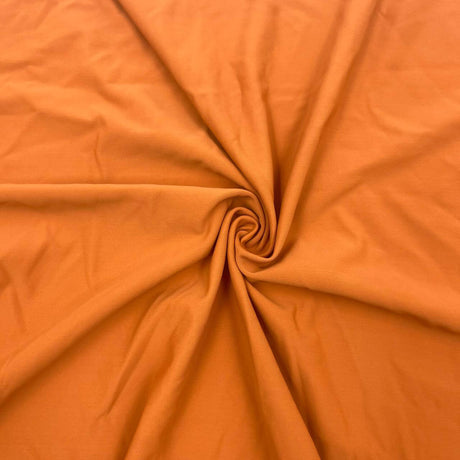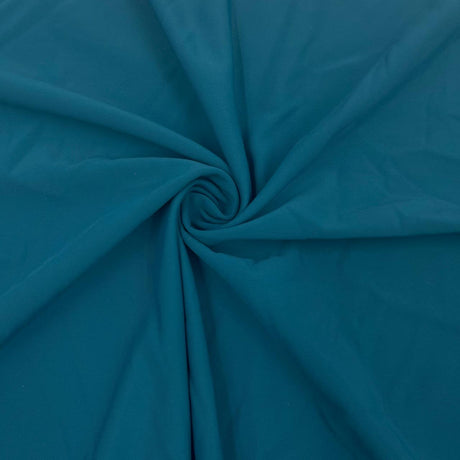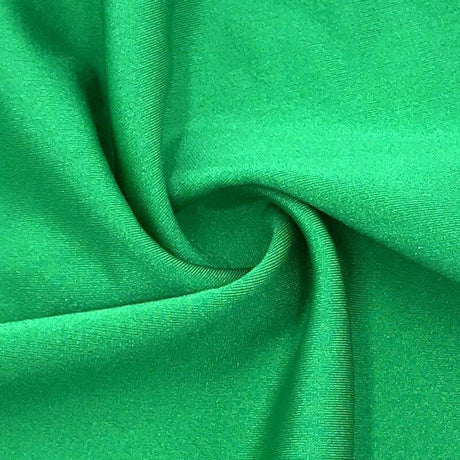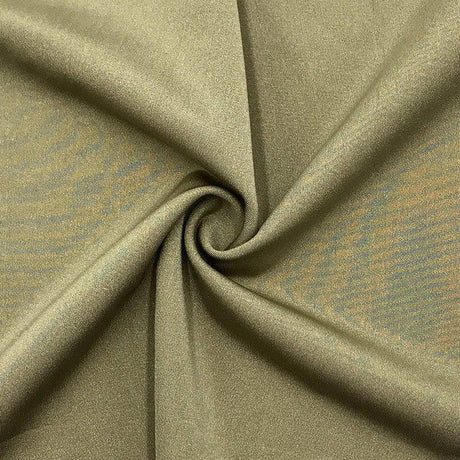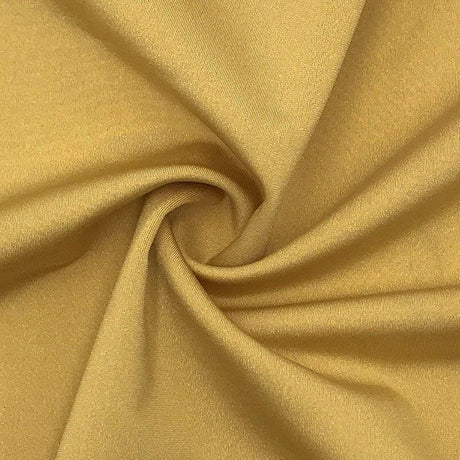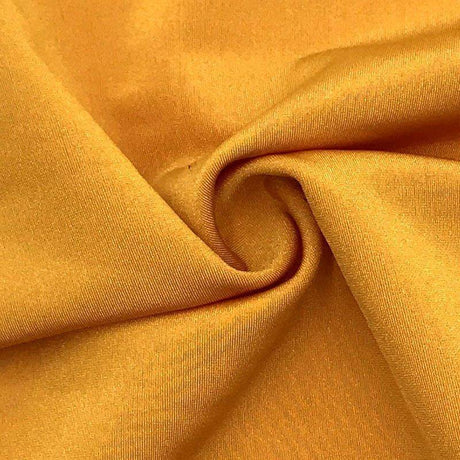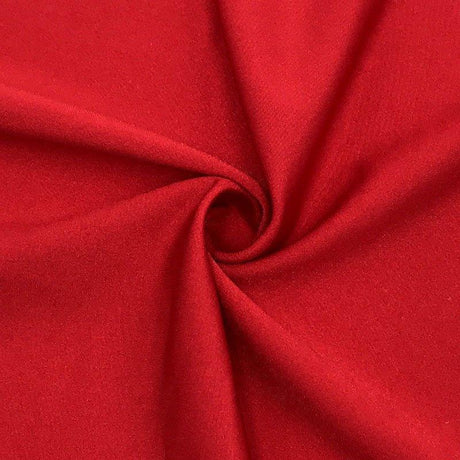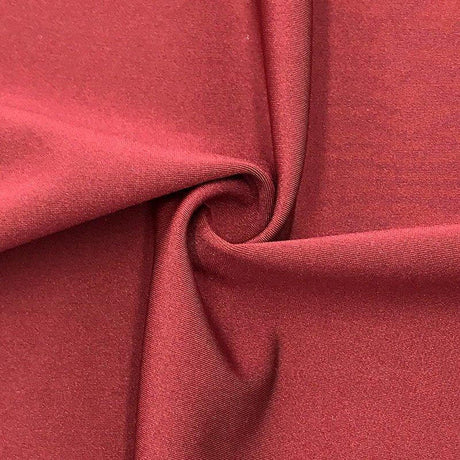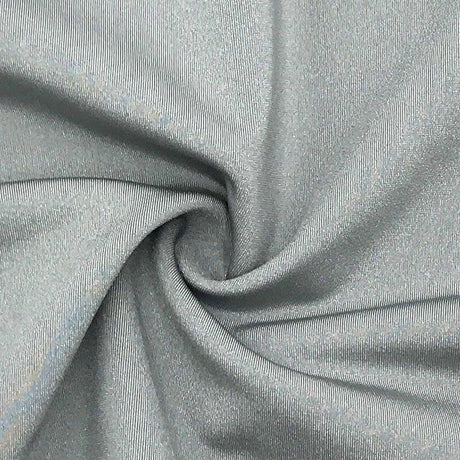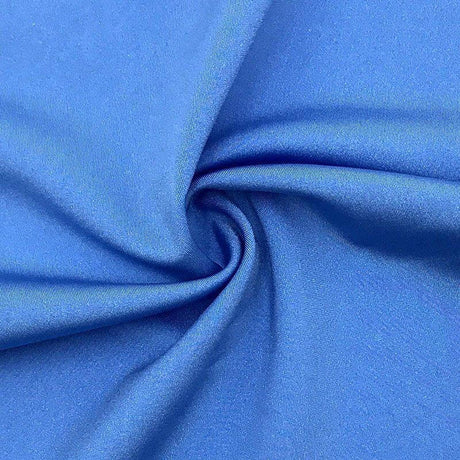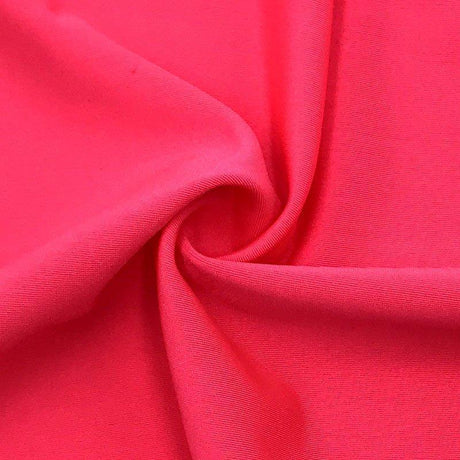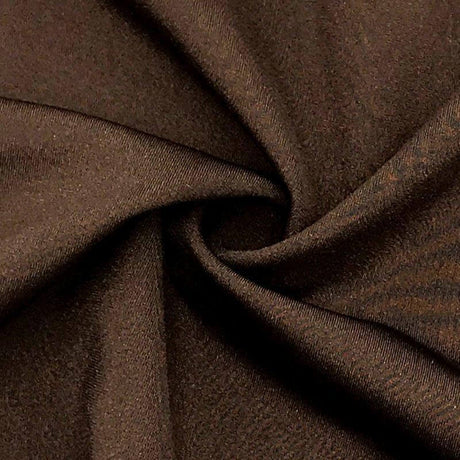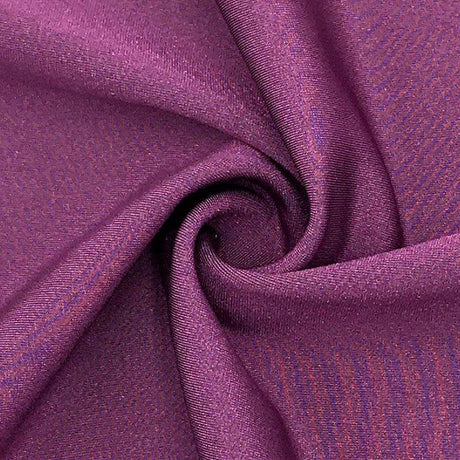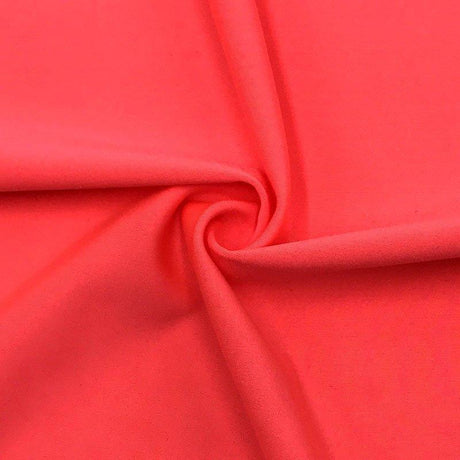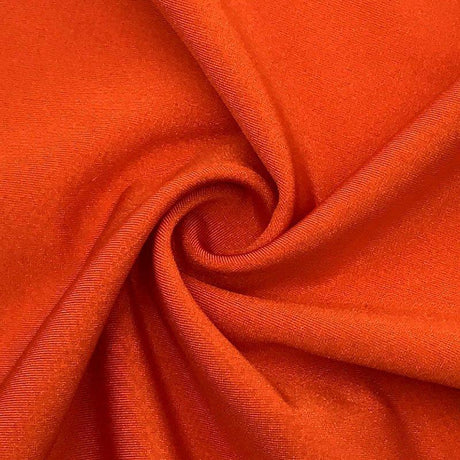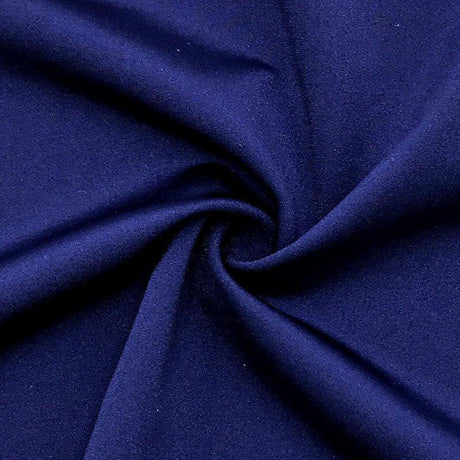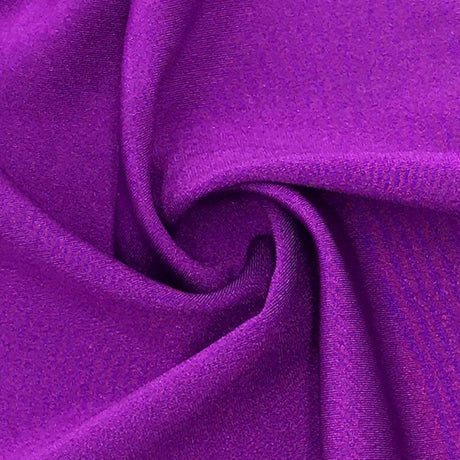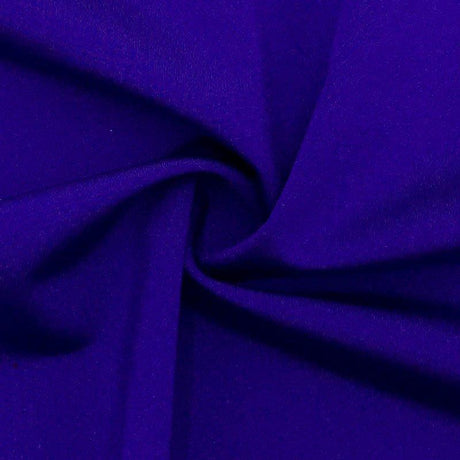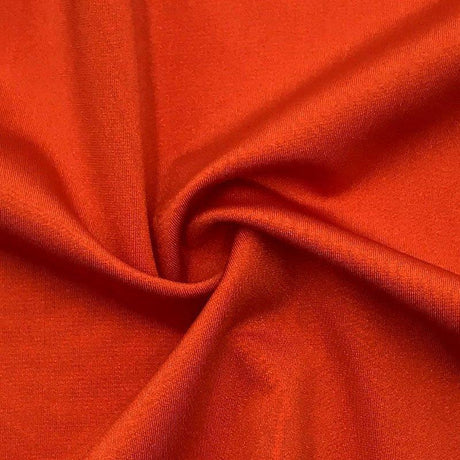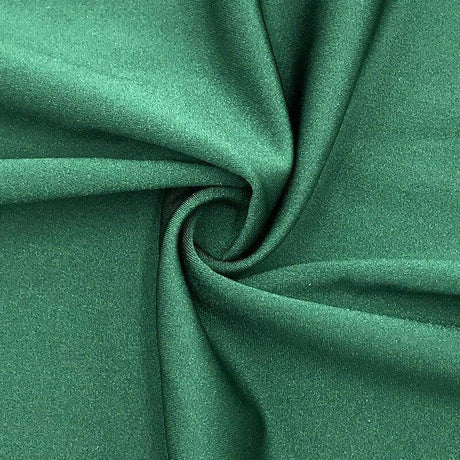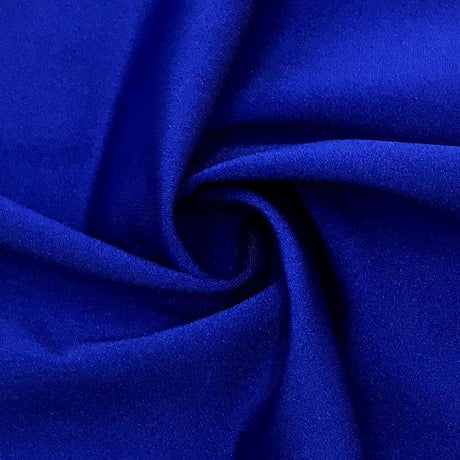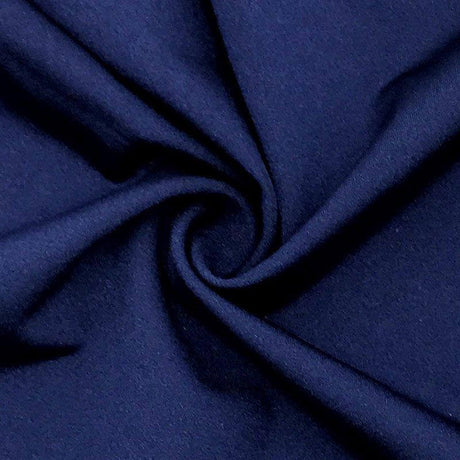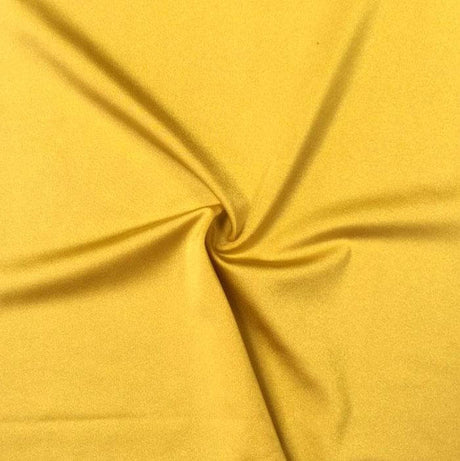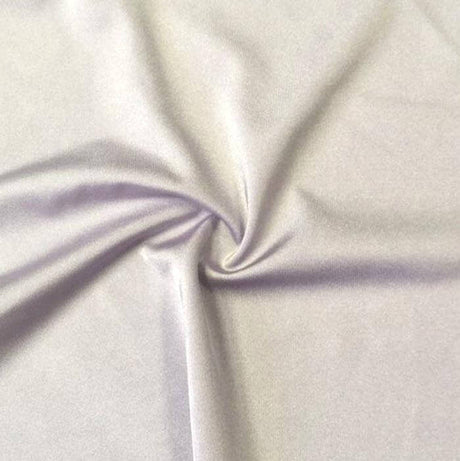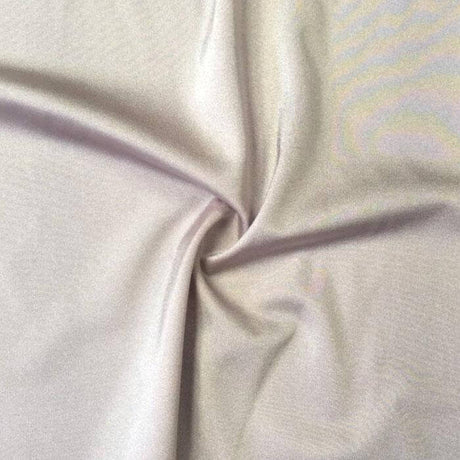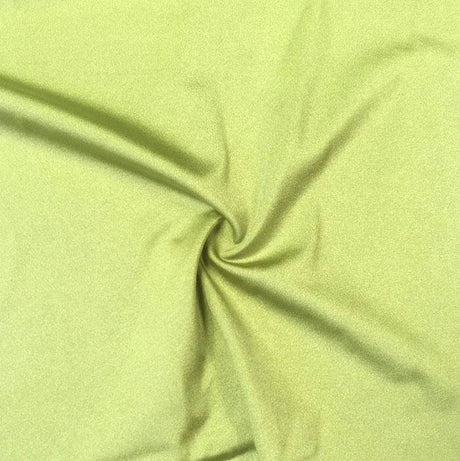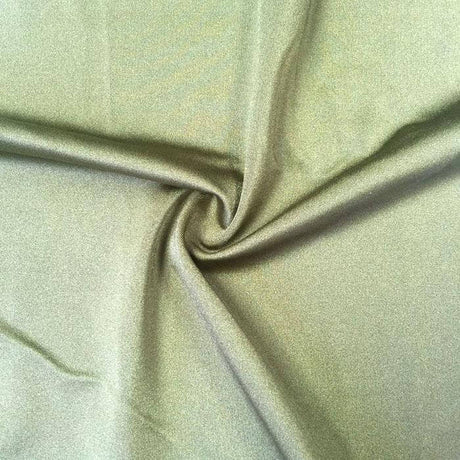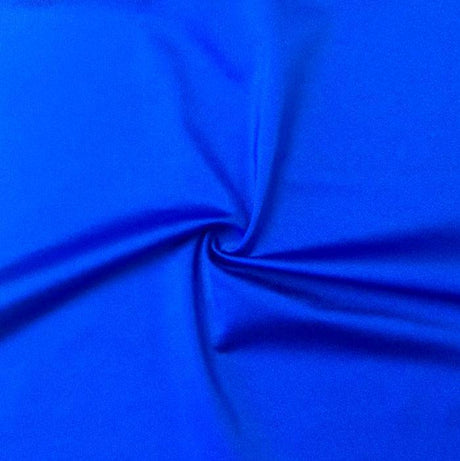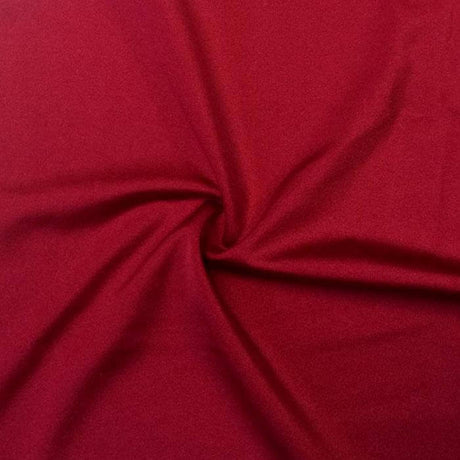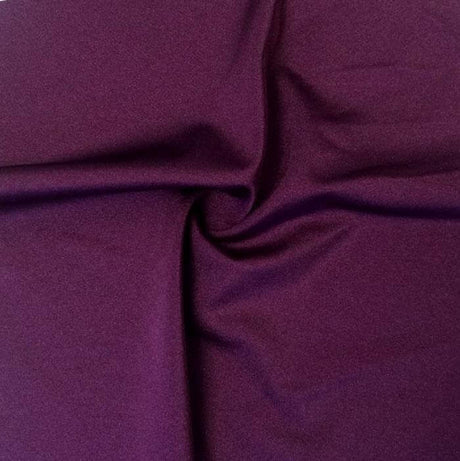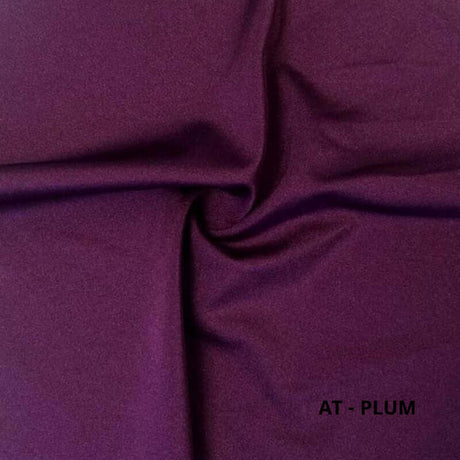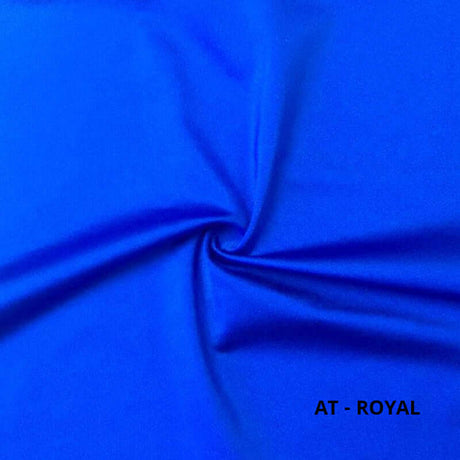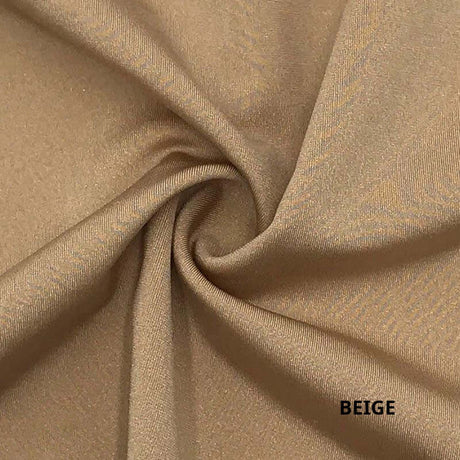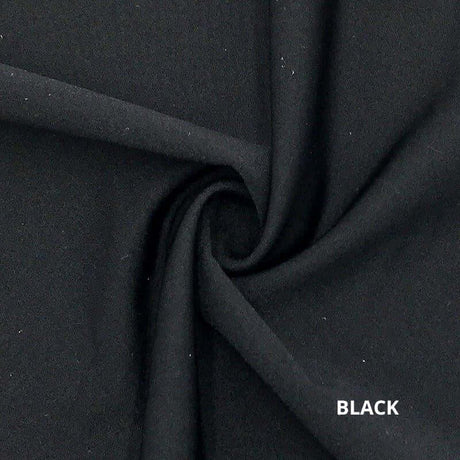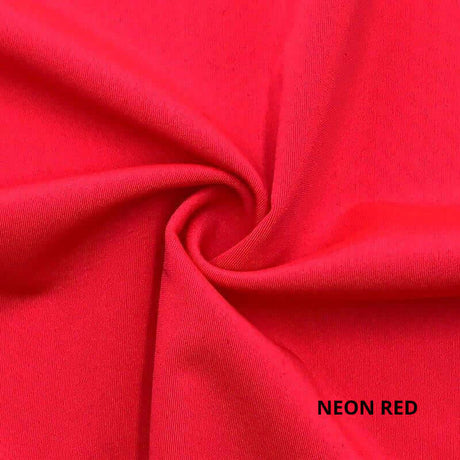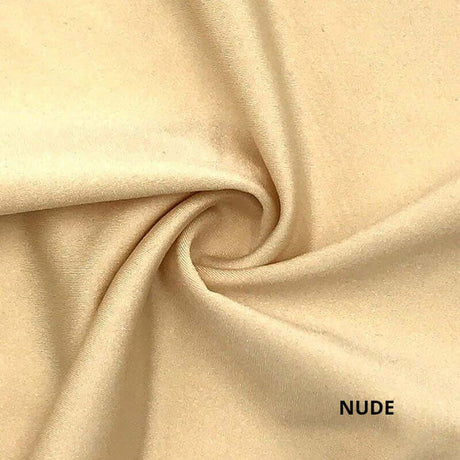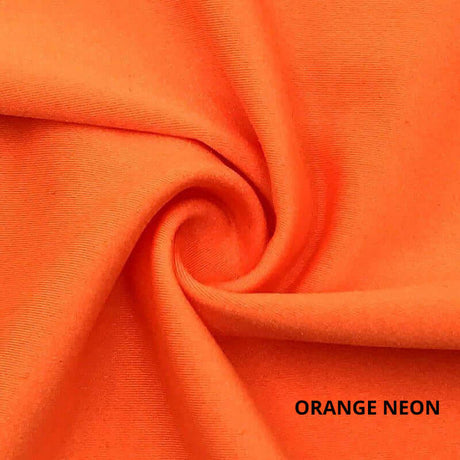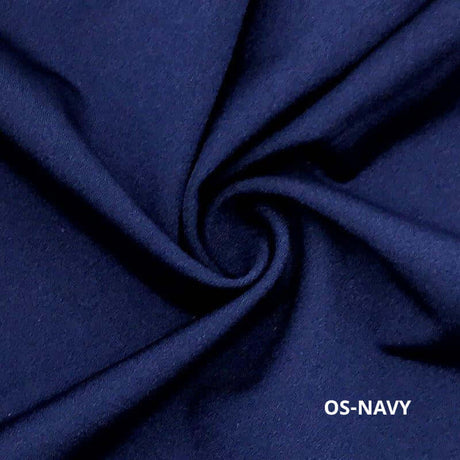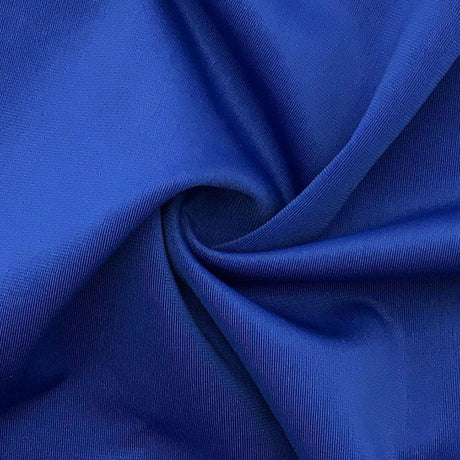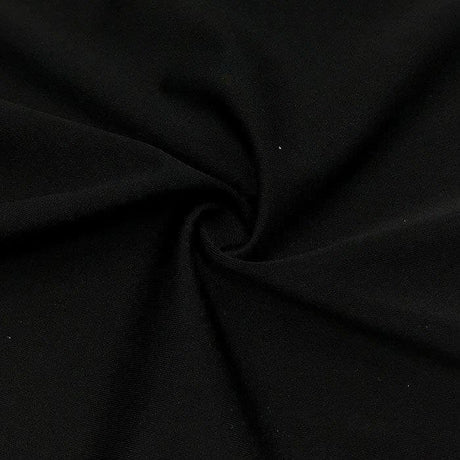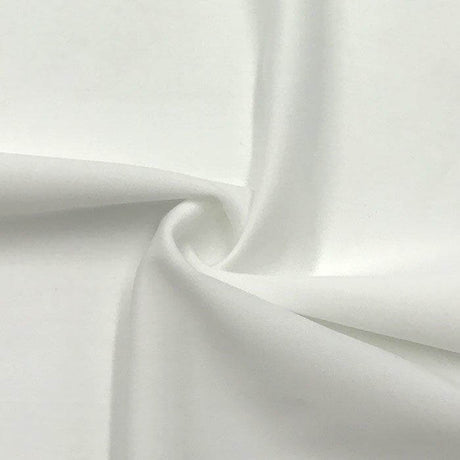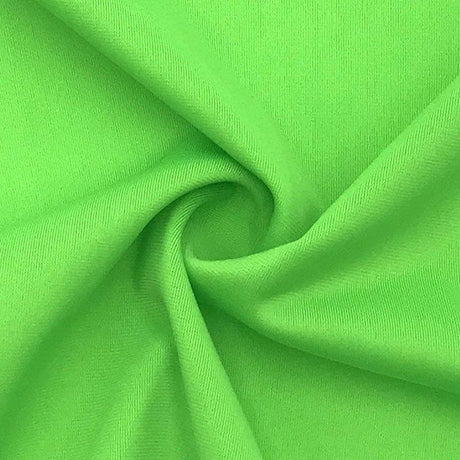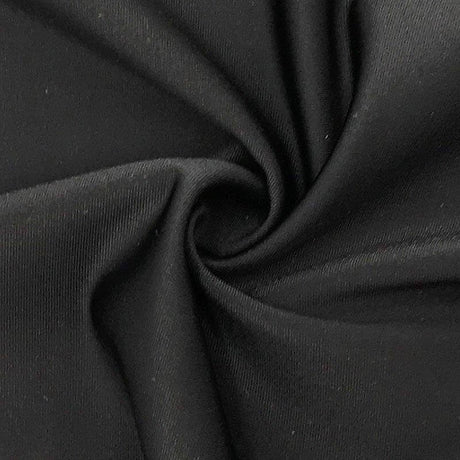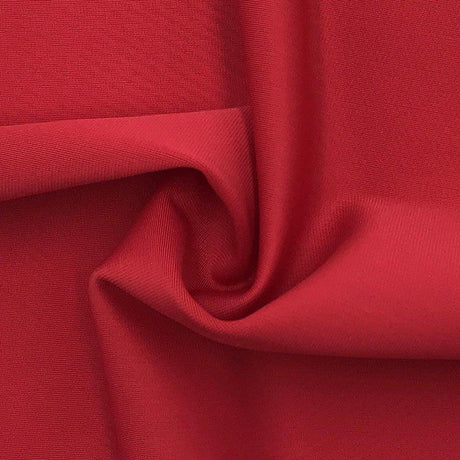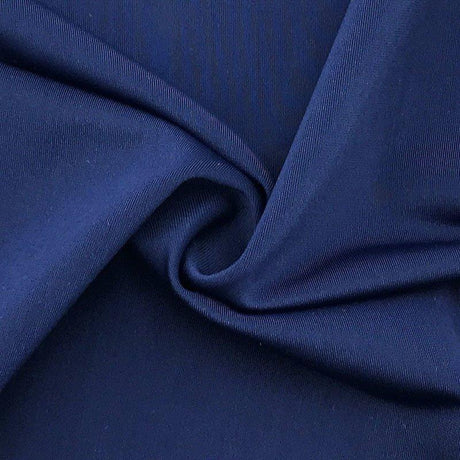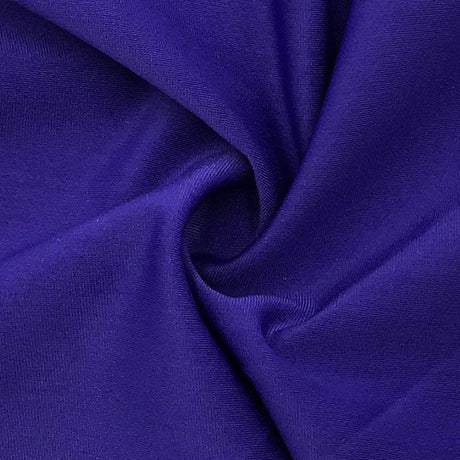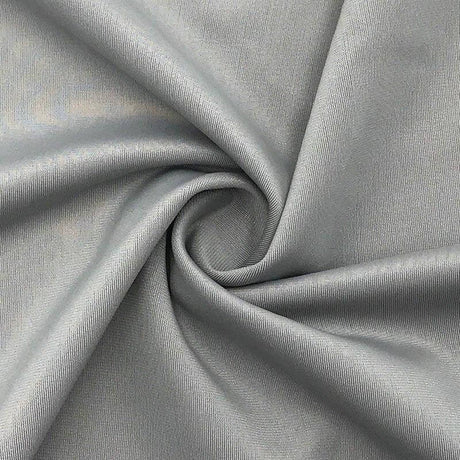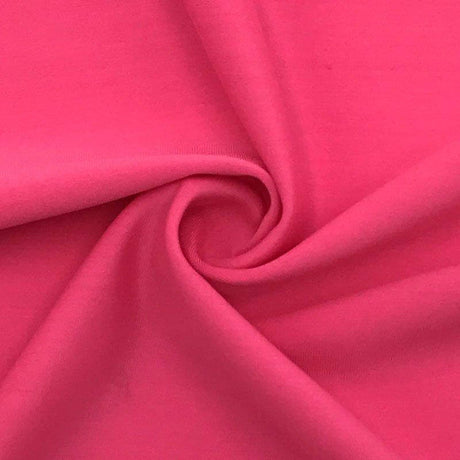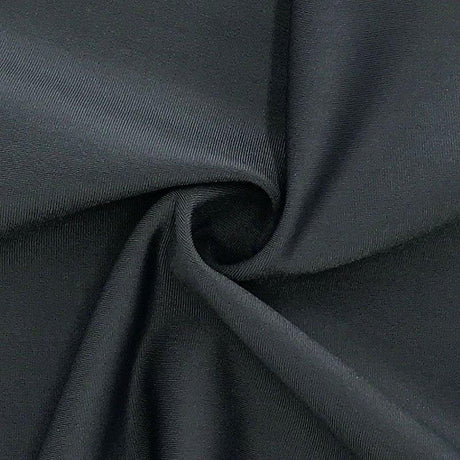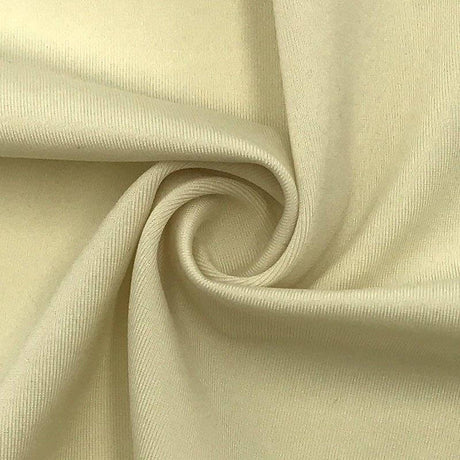
What Is Swimwear Lining Fabric?
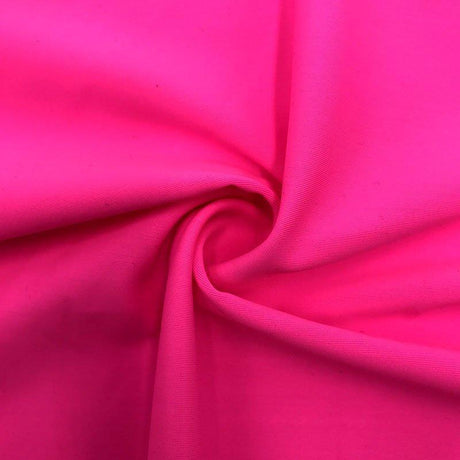
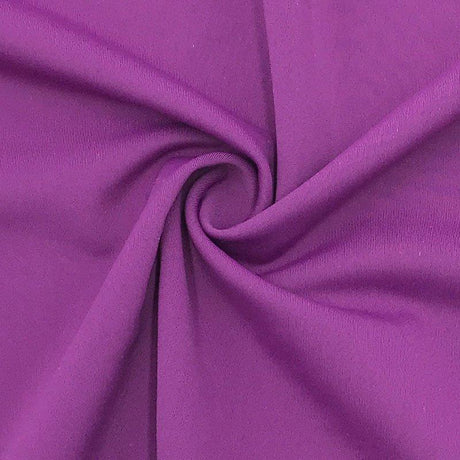
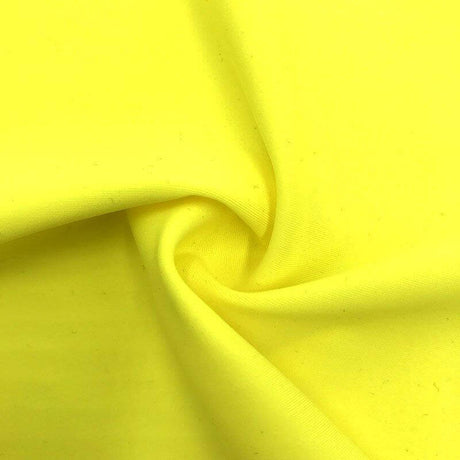
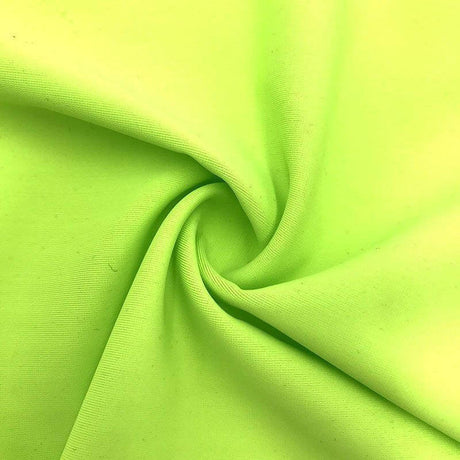
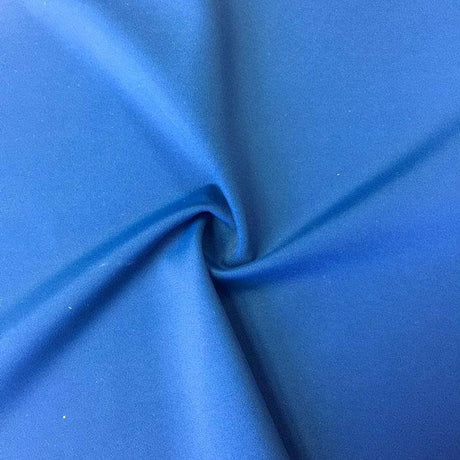
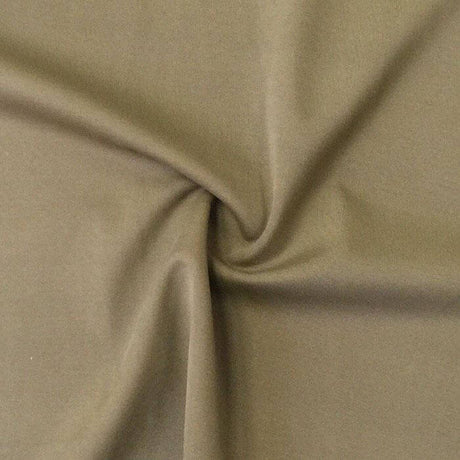
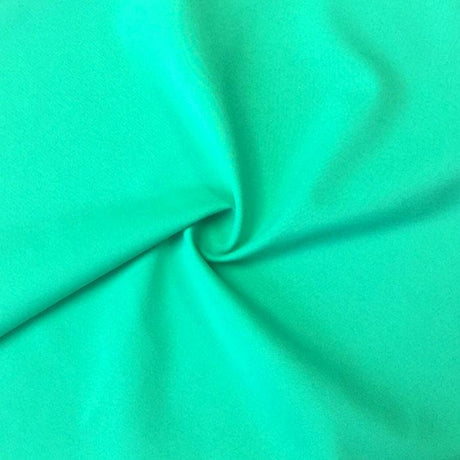
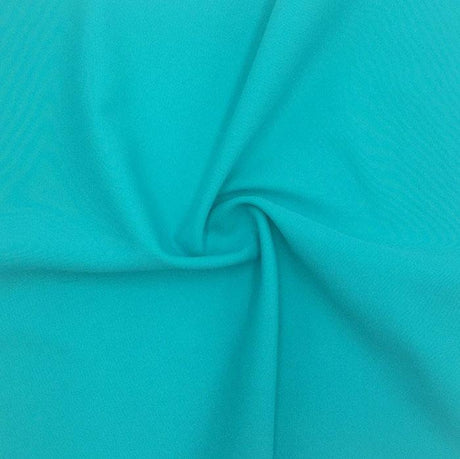
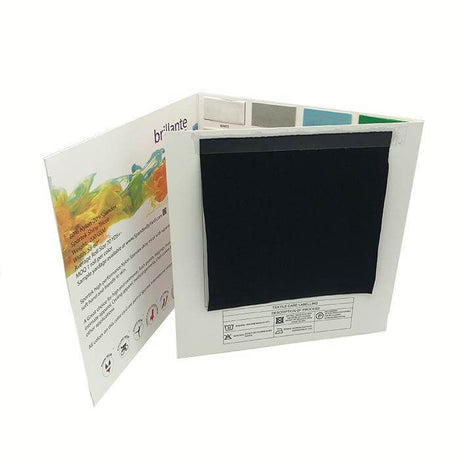
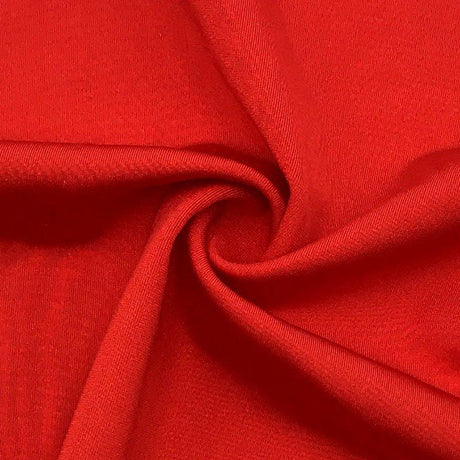
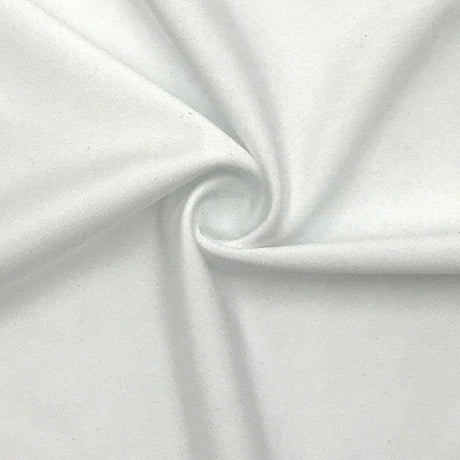
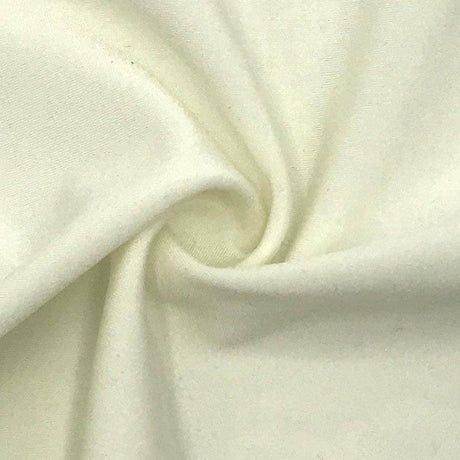
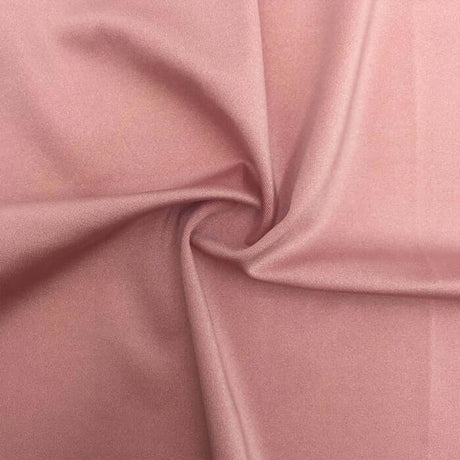
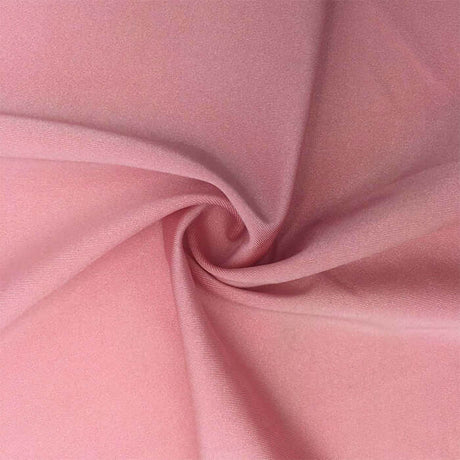
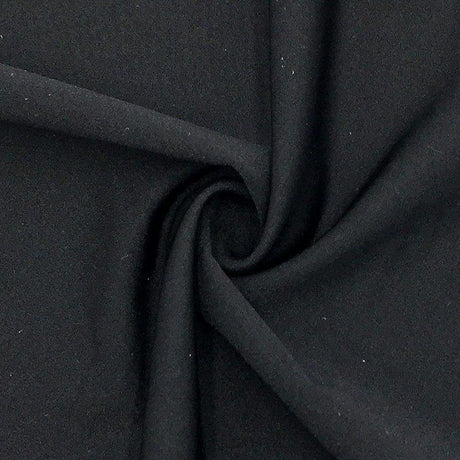
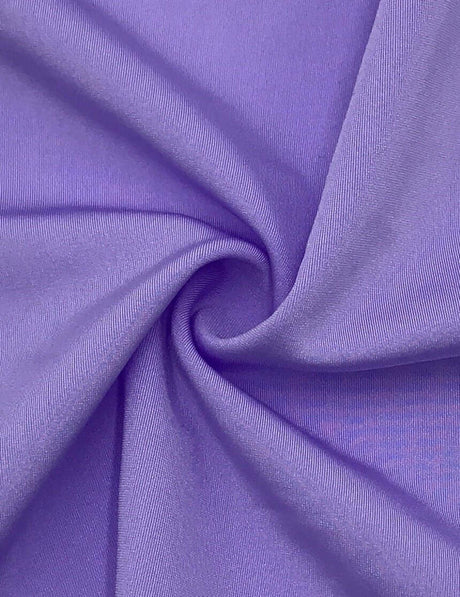
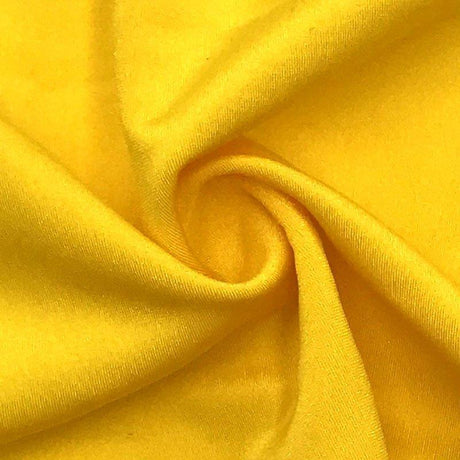
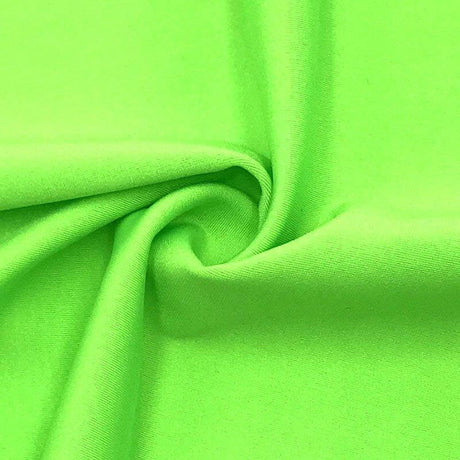
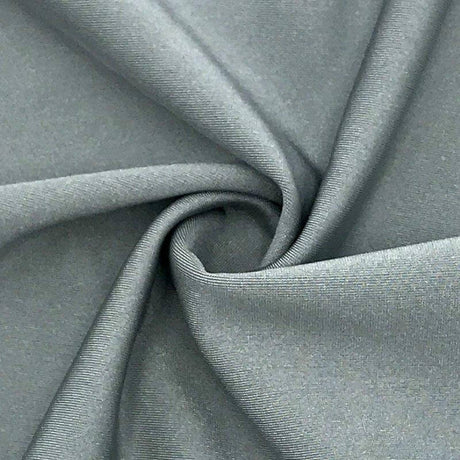
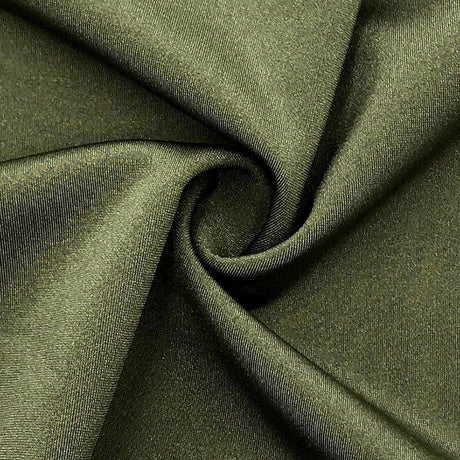
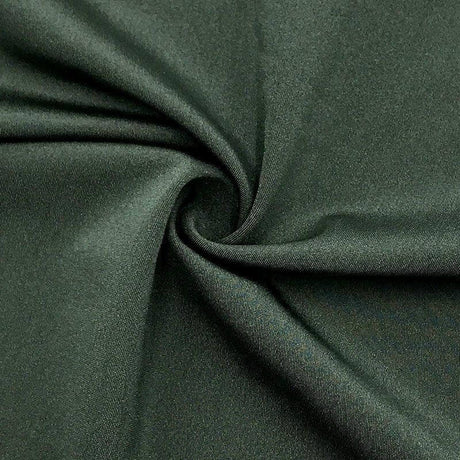
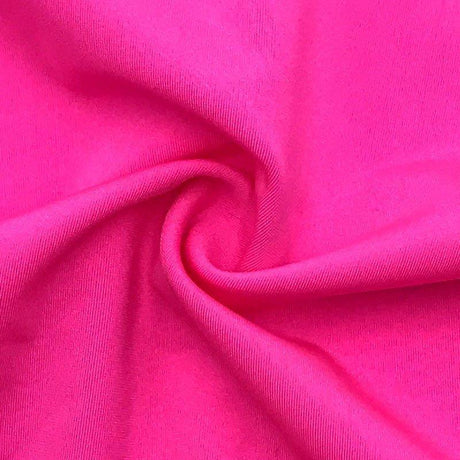
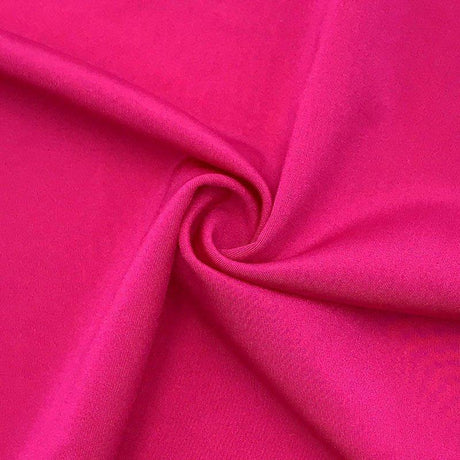
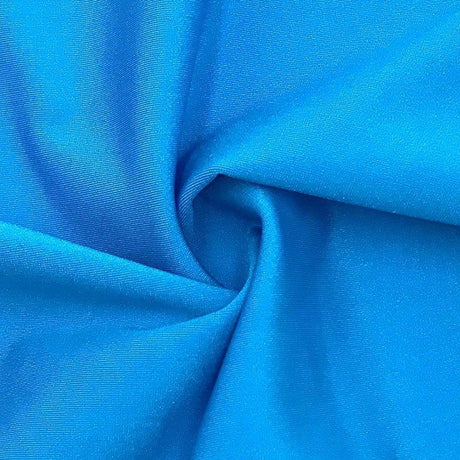
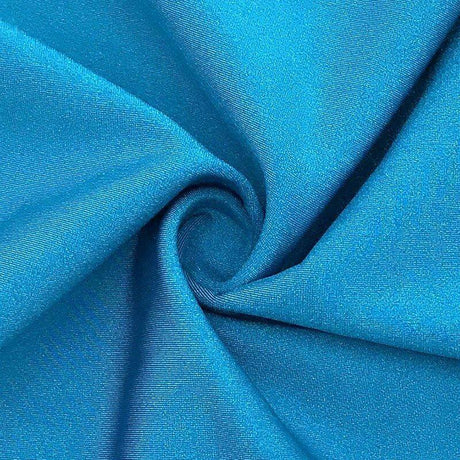
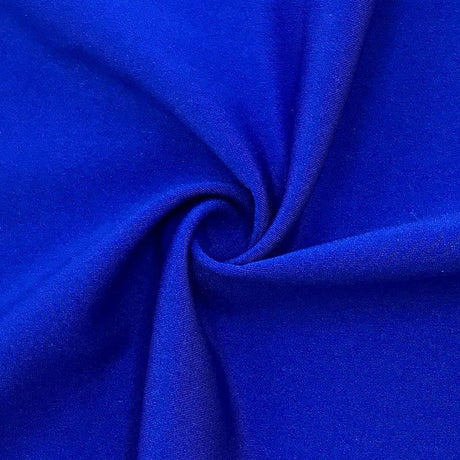
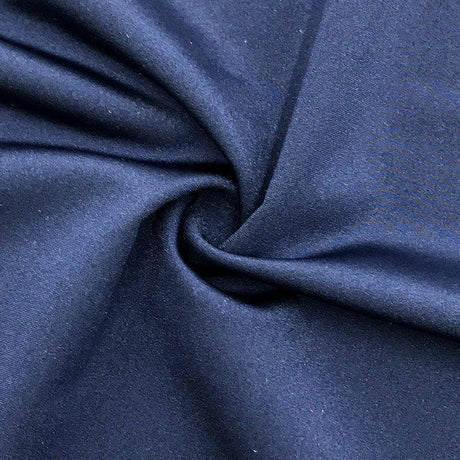
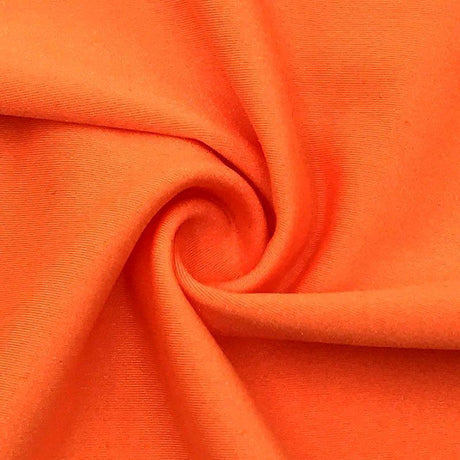
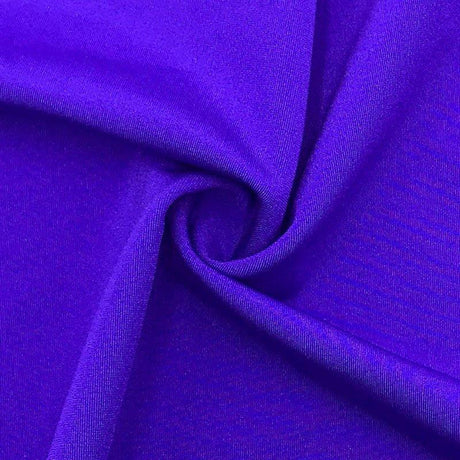
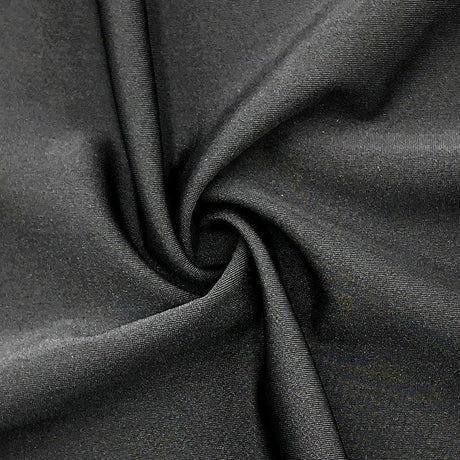
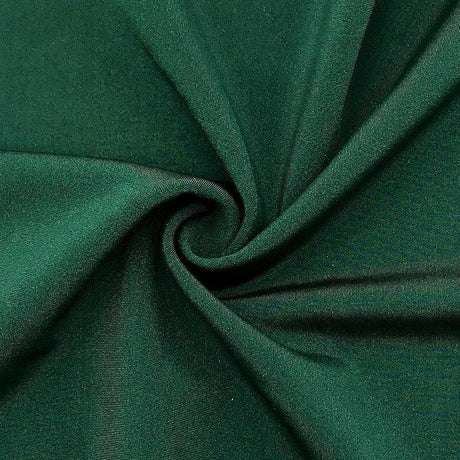
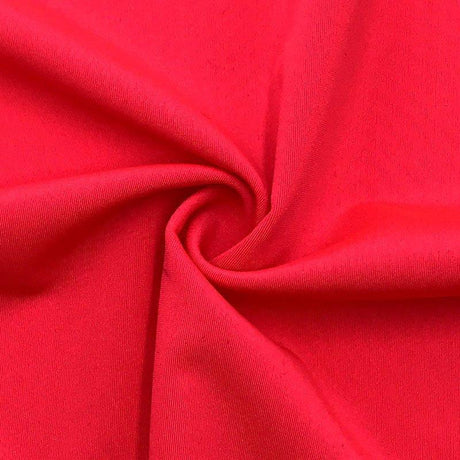
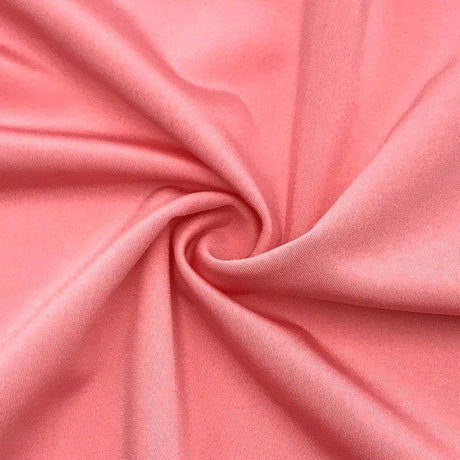
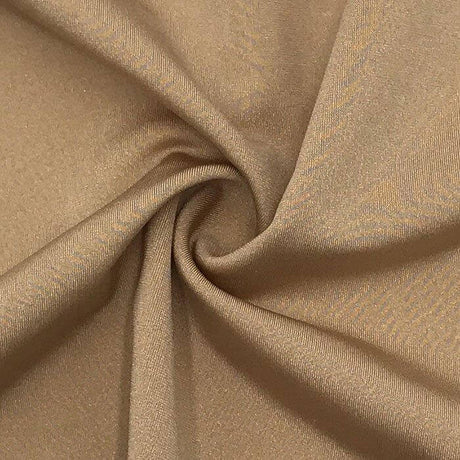
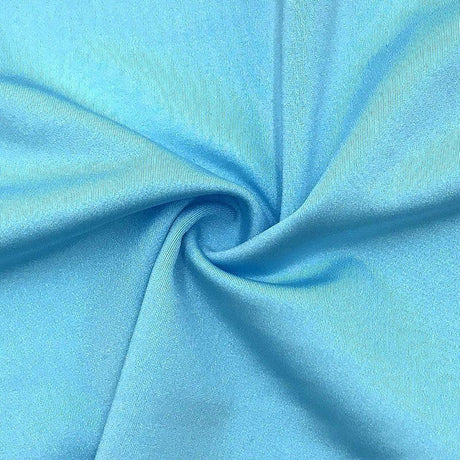
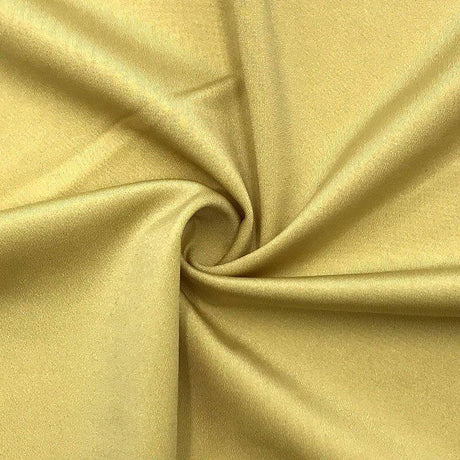
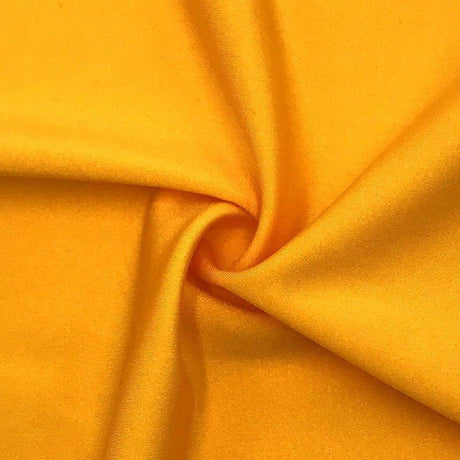
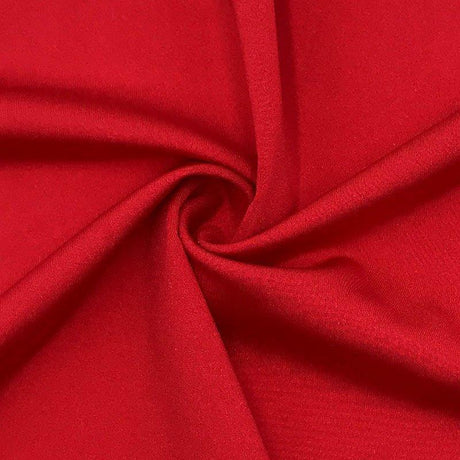
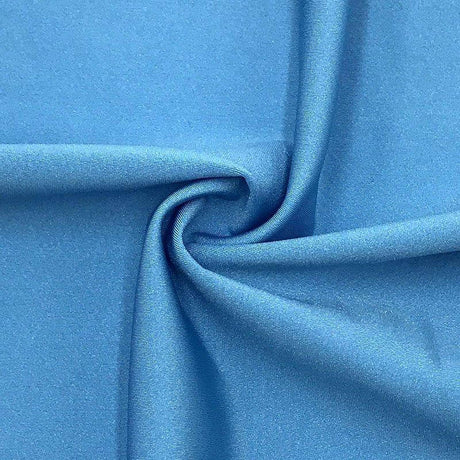
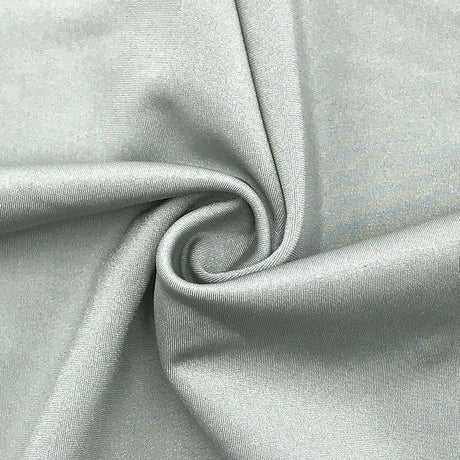
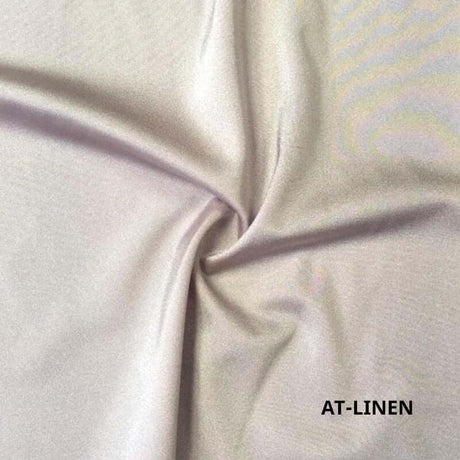
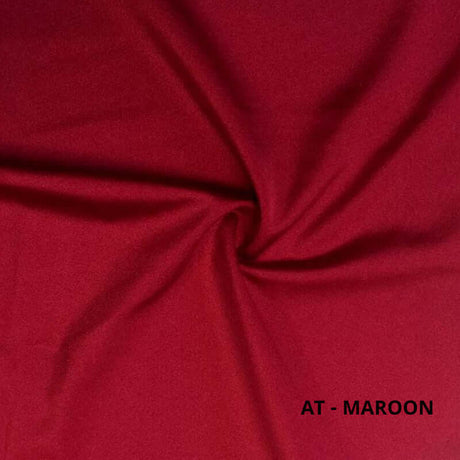
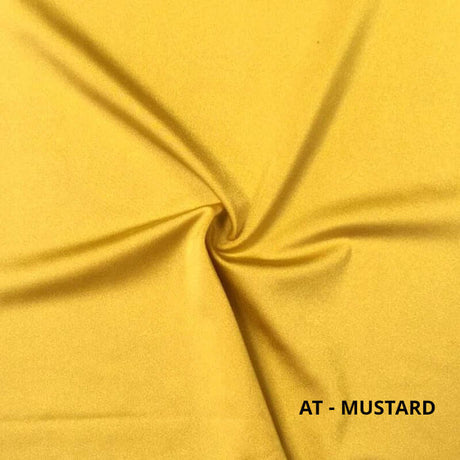
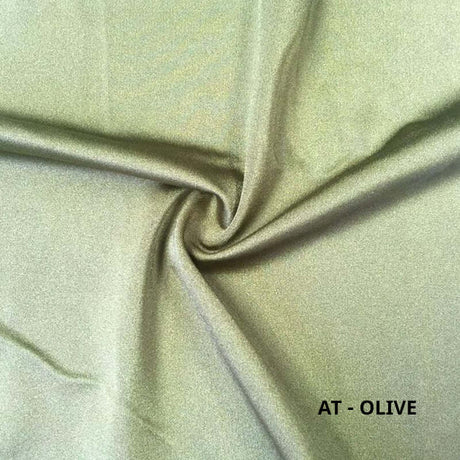
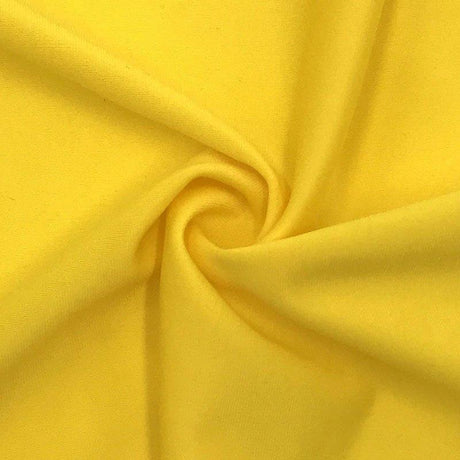
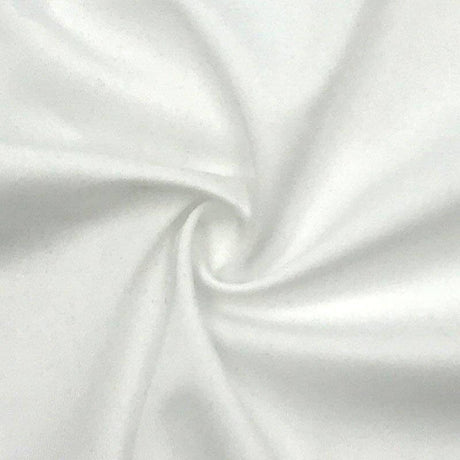
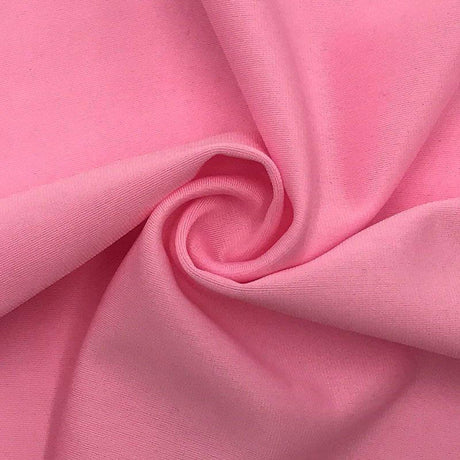
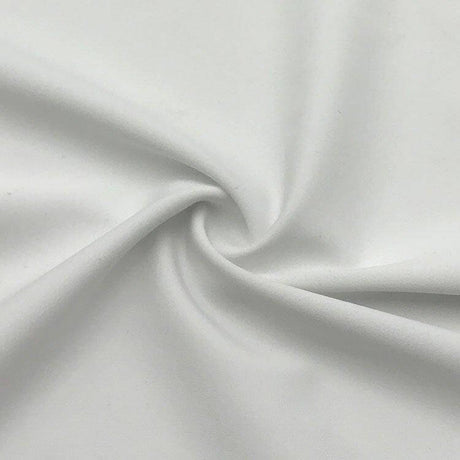
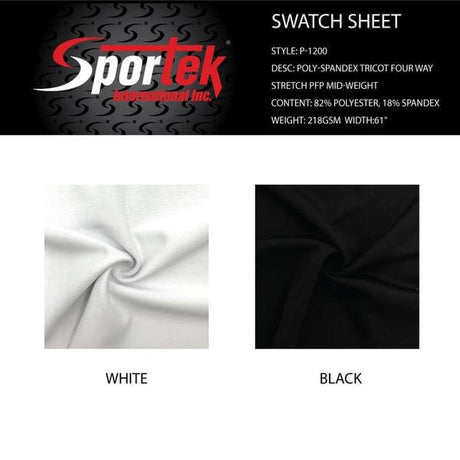
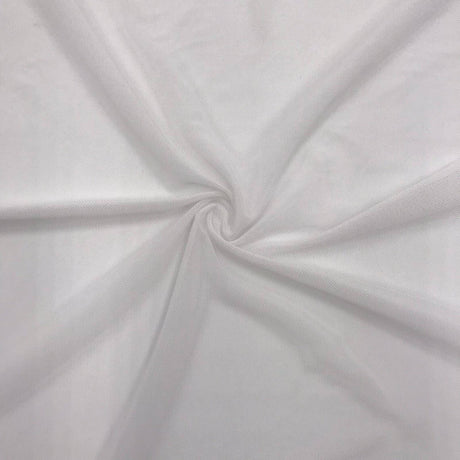
Swimwear lining is the lightweight, stretchy inner layer of fabric in a swimsuit that isn’t always visible but makes a huge difference in wearability. This bikini lining or swimsuit lining fabric is specially engineered for swimwear, providing extra coverage, support, comfort, opacity, and durability inside the suit. In other words, a quality lining ensures your swimsuit isn’t see-through when wet, feels soft against the skin, and helps the suit hold its shape during use. It’s the unsung hero that keeps swimwear comfortable and long-lasting.
Key Benefits of Quality Swimwear Lining
A high-quality swimwear lining fabric offers several important benefits for any bathing suit:
-

Comfort & Softness: Lining fabrics are smooth and lightweight, preventing irritation and chafing. A soft liner (often a nylon or polyester blend with spandex) acts as a gentle buffer between your body and any rougher outer material or seams, so you can move freely without discomfort.
-
Opacity & Coverage: Good linings add opacity, meaning no see-through surprises. This is especially crucial for light-colored or thin swimwear fabrics. A proper lining for swimwear keeps you confidently covered both dry and wet by preventing transparency.
-
Support & Shape: The lining also provides subtle support and structure. It helps the swimsuit maintain its shape and not sag or bag out, even after many wears. For instance, a sturdy bikini lining helps a two-piece keep its form, and one-piece swimsuits often have full lining to give them extra firmness. Special power mesh fabric for swimwear can be used in targeted areas of the lining to offer tummy control or bust support without adding bulk. Swimsuits commonly incorporate power mesh panels for shaping and durability, smoothing and supporting the body for a flattering fit.
-
Stretch & Fit: Swimwear linings have excellent 4-way stretch and recovery, usually matching the stretch of the outer fabric. This ensures the suit can move with you during swimming or athletic activity and then snap back to shape. A quality swimsuit liner fabric with high spandex content will hug the body comfortably without restricting movement or losing elasticity.
-
Quick-Drying & Breathability: The best lining materials are thin and breathable, so they don’t soak up tons of water. A lightweight lining fabric dries fast and lets water pass through easily, helping the entire swimsuit dry quicker. This quick-dry feature keeps you from feeling soggy after a swim and adds to overall comfort. It also helps prevent the growth of odor-causing microbes, especially when linings have moisture-wicking or anti-microbial finishes.
Applications: From Bikinis to Athletic Swimwear
Virtually all types of swimwear use linings to enhance comfort and performance. In skimpy bikinis, a dependable lining ensures even minimal designs have the needed coverage and support (preventing any peek-through in bikini bottoms, for example). One-piece swimsuits typically include a full front lining (and often back lining) to maintain modesty and give the suit a nice drape on the body. In athletic swimwear or competition swimsuits, durable linings add strength and protect against chlorine over many uses, while still stretching for active movement. Even resortwear and luxury swimwear rely on high-end linings (like silky tricot or mesh for swimsuit paneling) to deliver a premium feel inside the garment. No matter the style – from sporty one-pieces to fashion-forward bikinis – the right lining fabric elevates the quality of the swimwear by providing that hidden layer of security and comfort.
Advanced Lining Options (Power Mesh & More)
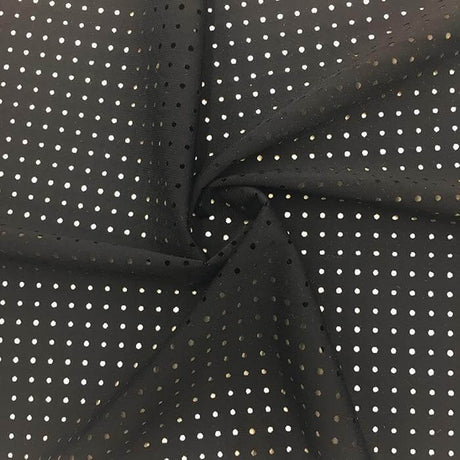
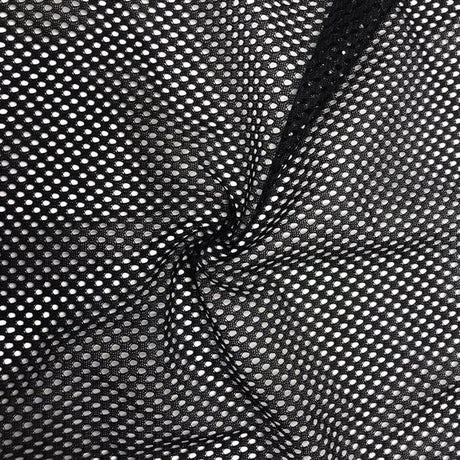
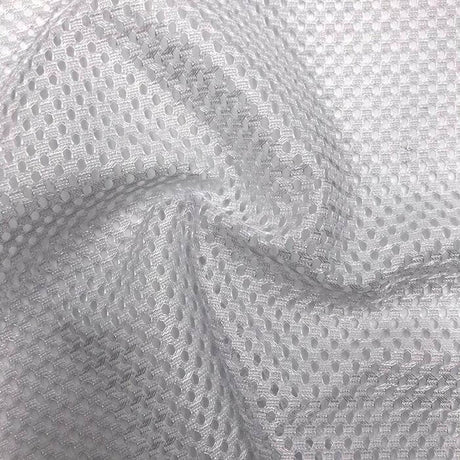
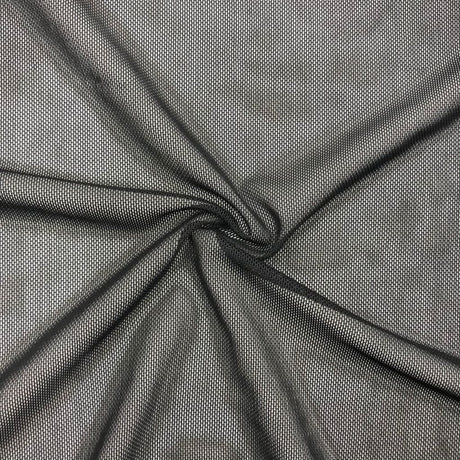
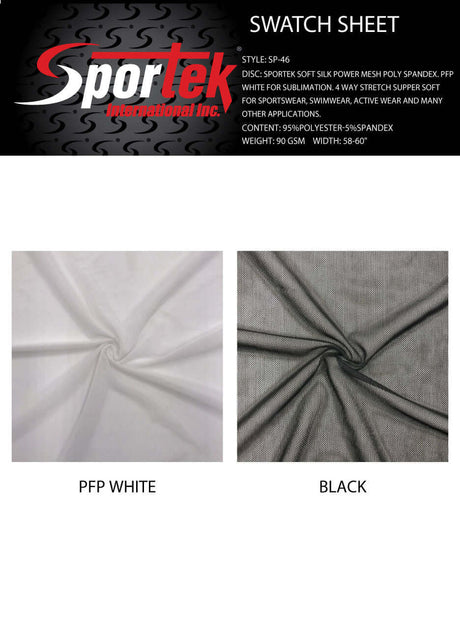
Not all linings are one-size-fits-all. Designers have technical options to tailor the lining to a swimsuit’s needs. Power mesh lining is a popular choice for areas that need extra reinforcement. This is a specialized stretch mesh for swimsuits known for its strength and elasticity. Brands often insert power mesh panels in swimsuit interiors for shaping and support – for example, a front tummy panel in a one-piece or a bust panel in a bikini top. This gives a slimming and supportive effect while still being lightweight and flexible. Power mesh is also quick-drying and breathable due to its mesh structure, making it ideal for adding support without trapping moisture. Other options include brushed or microfiber linings for an ultra-soft touch in premium swimwear, and self-linings (using the same fabric as the outer shell) for reversible swimsuits. Each lining type, from standard tricot to power mesh, serves a specific purpose to enhance the swimsuit’s performance, whether it’s extra durability, compression, or simply a luxurious feel.
B2B Solutions: Sourcing Swimwear Lining Fabric Wholesale
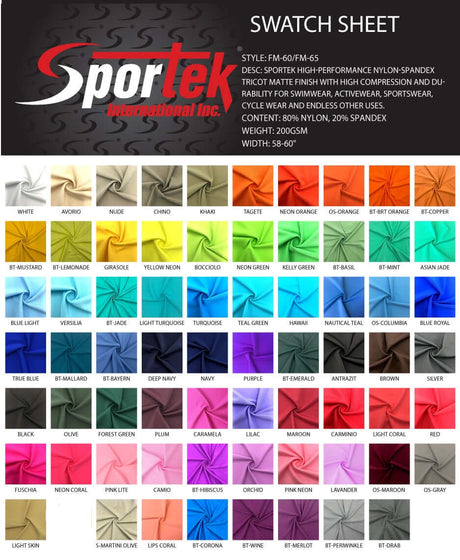
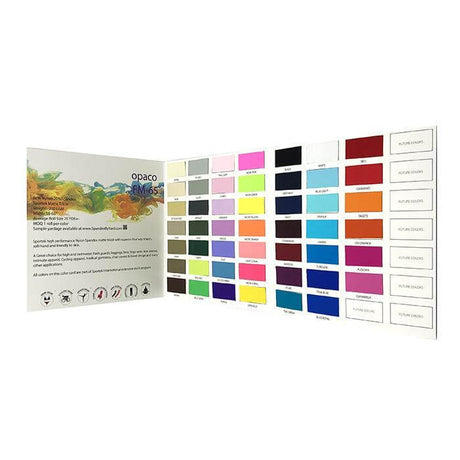
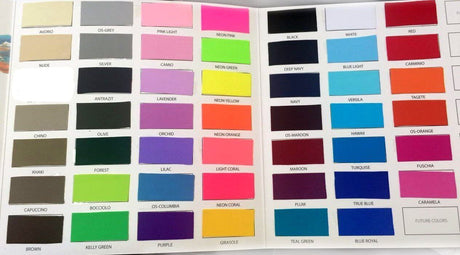
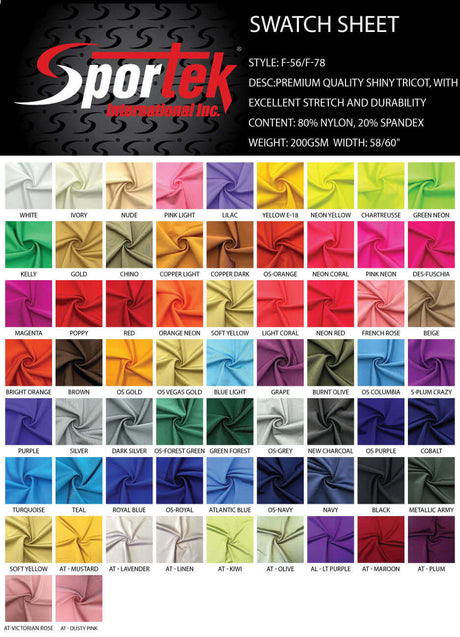
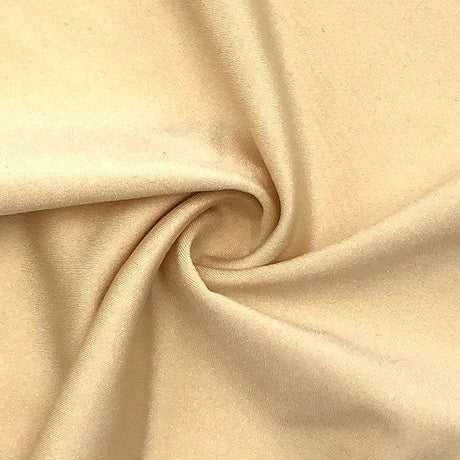
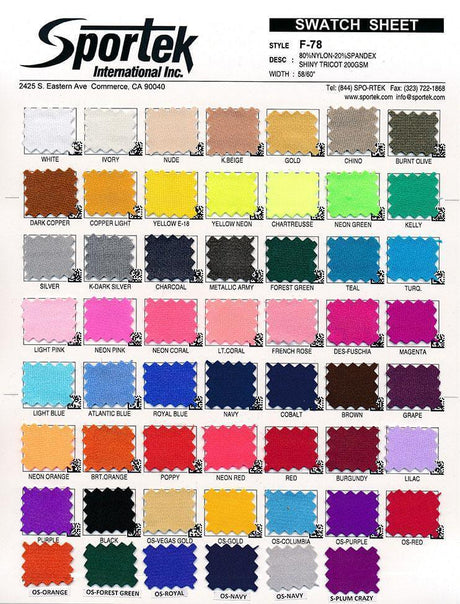
For swimwear brands and manufacturers, having a reliable swimwear lining supplier is crucial. Working with an experienced partner like Sportek International ensures you get consistent, high-quality linings in the quantities you need. As a longstanding fabric supplier and swimsuit fabric manufacturer, Sportek offers wholesale swimwear lining fabric in various compositions, colors, and weights to suit different design requirements. Whether you need rolls of nude nylon-spandex tricot for a large production run or specialty power mesh fabric for swimwear with moisture management for an athletic line, you can source it wholesale with confidence. Bulk ordering from a dedicated swimwear fabric expert means you’ll receive materials that meet industry standards for stretch, chlorine resistance, and colorfastness. By sourcing through a trusted supplier, swimwear brands can streamline production and maintain quality control, knowing their linings will perform and help create a top-notch final product.
FAQ: Swimwear Lining Fabric
Q1: What is the best fabric for swimwear lining?
A: The best fabrics for swimwear lining are typically nylon or polyester blended with spandex (Lycra). These blends (often in a tricot knit) are soft, stretchy, and quick-drying, which makes them ideal as a lining swimsuit material. A nylon-spandex tricot is commonly used because it offers a smooth feel and good durability. For extra support or shaping, designers may use power mesh (a strong stretch mesh) in targeted areas in addition to the regular lining. Overall, look for a chlorine-resistant, 4-way stretch lining fabric that balances comfort and strength.
Q2: What is power mesh fabric for swimwear?
A: Power mesh is a type of stretchy mesh fabric used in swimwear (and activewear) to provide support and shaping without bulk. It’s a lightweight, net-like material with high spandex content, giving it strong elasticity. In swimsuits, power mesh is often sewn into the lining layer at the tummy, bust, or other areas where extra firmness is desired. This power mesh fabric for swimwear adds tummy control or bust lift while still being breathable and quick to dry. Because it contours to the body and has excellent recovery, power mesh helps reinforce the swimsuit’s shape and can increase its durability. Many one-piece swimsuits and control-top bikini bottoms have power mesh panels inside to create a smoothing, supportive fit.
Q3: Do all swimsuits need a lining?
A: Almost all quality swimsuits include a lining, but there are a few exceptions. Lining swimwear is standard because it dramatically improves coverage (preventing transparency) and comfort. Swimsuits without lining can feel rough or become see-through when wet, which is not ideal. However, some darker or thicker swimsuits might use only a front lining or none if the fabric itself is already double-layered or opaque (self-lining). In most cases, though, adding a separate lining fabric is recommended – it extends the life of the swimsuit by reducing wear on the outer fabric and gives the piece a polished, high-quality finish. If you’re designing or buying swimwear, a good lining is a mark of a well-made, long-lasting swimsuit.